Lennold Fine China: The Timeless Beauty of the Blue Meissen Pattern Lennold fine china represents the elegance and tradition of vintage tableware design. While not considered a luxury porcelain manufacturer like Meissen, Lenox, or Wedgwood, Lennold produced attractive imported china patterns that continue to appeal to collectors, decorators, and buyers searching for discontinued replacement pieces. […]
Articles About Vintage Dinnerware
Articles About Vintage Dinnerware — Celebrating Elegance and History at Your Table
Step into the world of vintage dinnerware with our insightful articles dedicated to the beauty, craftsmanship, and stories behind classic china and tableware. Whether you’re a collector, a host who loves to entertain, or simply appreciate timeless design, these articles explore everything from identifying patterns and makers to caring for and styling your vintage pieces.
Discover the charm of bone china, porcelain, and elegant patterns from eras gone by. Learn how to mix and match sets, restore your treasured finds, and incorporate vintage dinnerware into modern settings with style and grace.
Our guides and stories are crafted to help you appreciate the heritage and artistry behind every plate, cup, and serving dish—making your dining experience truly special.
History of American Royalty China
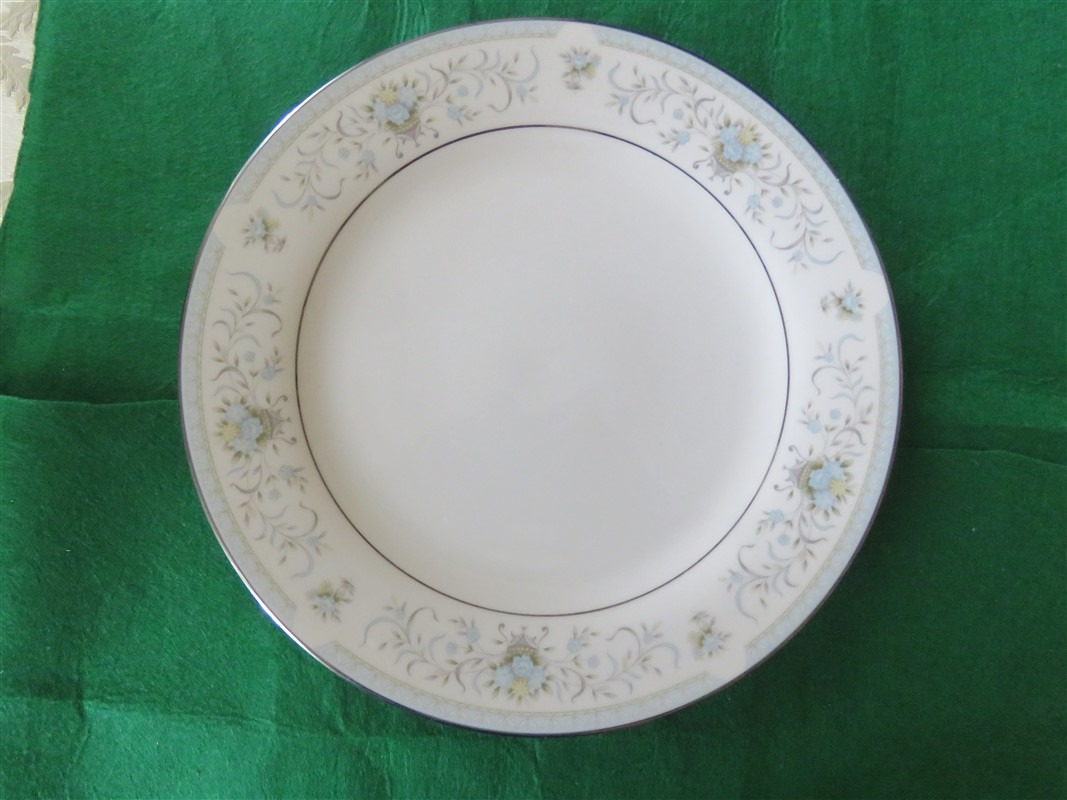
American Royalty Dinnerware, also known as Arita porcelain, is a type of fine bone china dinnerware produced by the Noritake Company in Japan. The history of American Royalty dinnerware dates back to the late 19th century and is closely tied to the history of the Noritake Company. The Noritake Company was founded in 1904 by […]
History of Lenox Dinnerware
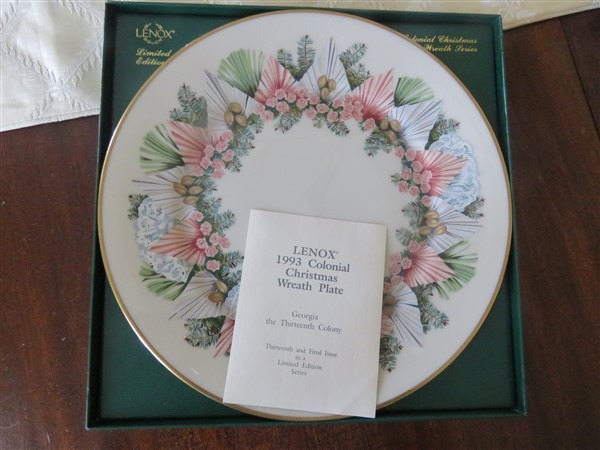
Lenox dinnerware has a rich history that spans over 125 years. Here’s a brief overview of the company’s dinnerware production: 1889: Lenox China Company was founded by John W. Lenox, and initially produced ceramic tableware, including plates, cups, and saucers. Early 1900s: Lenox began producing fine china dinnerware, including formal and informal patterns. The […]
Third Vintage Has Johnson Brothers Dinnerware
Johnson Brothers Dinnerware – Timeless English Tableware Available at Third Vintage Johnson Brothers dinnerware represents one of the most enduring names in English tableware, with a history rooted in Staffordshire pottery dating back to 1883. Known for creating durable “semi-porcelain” pieces that combine everyday practicality with classic design, Johnson Brothers became a household staple across […]
Christineholm Dinnerware
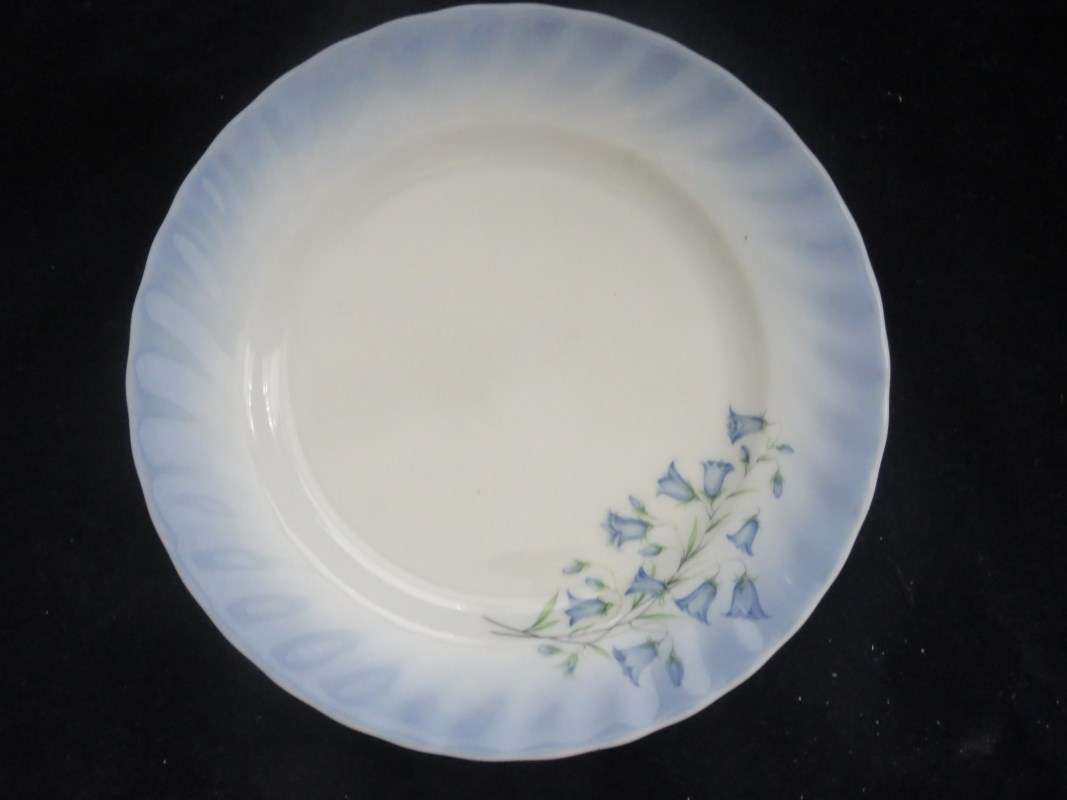
Christineholm dinnerware collectibles. Vintage dinnerware replacements for lost or broken collections.
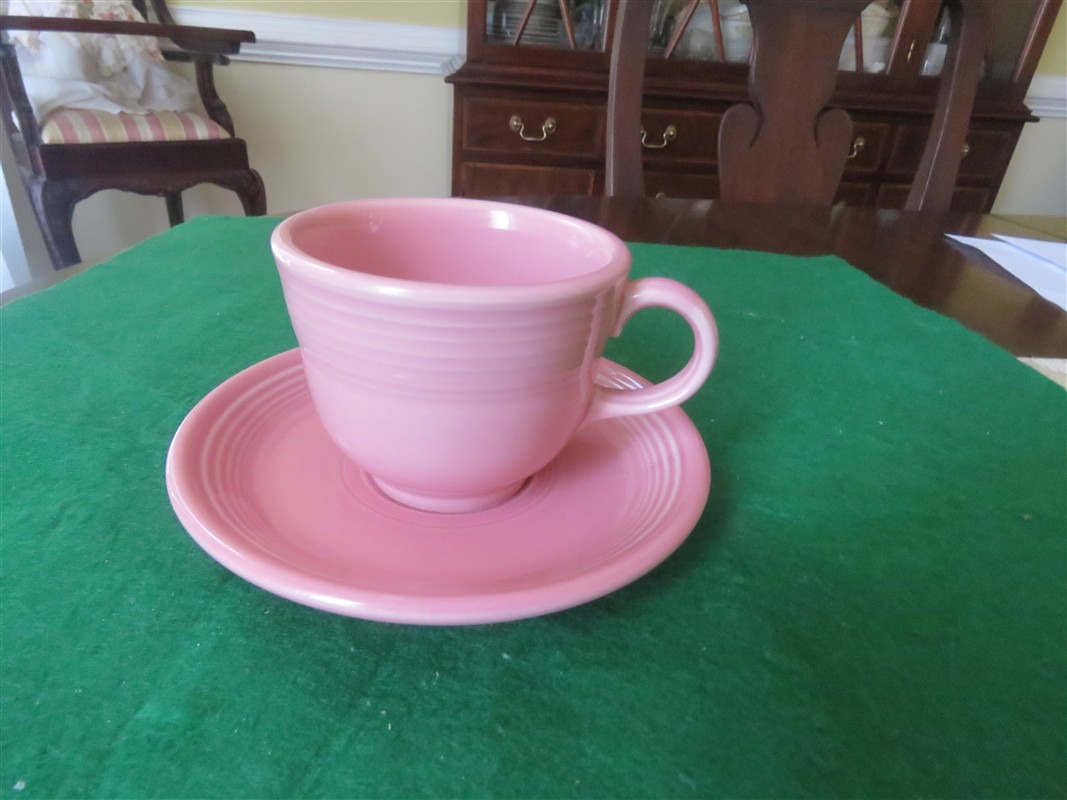
Third Vintage Collecting Dinnerware
Collecting dinnerware can be a rewarding and enjoyable hobby for many enthusiasts. Here are some key points to consider if you’re interested in starting or enhancing your dinnerware collection: Types of Dinnerware Ceramic Dinnerware: Often handcrafted and can include stoneware and earthenware. Porcelain: Known for its strength and translucence, it’s a popular choice for both […]
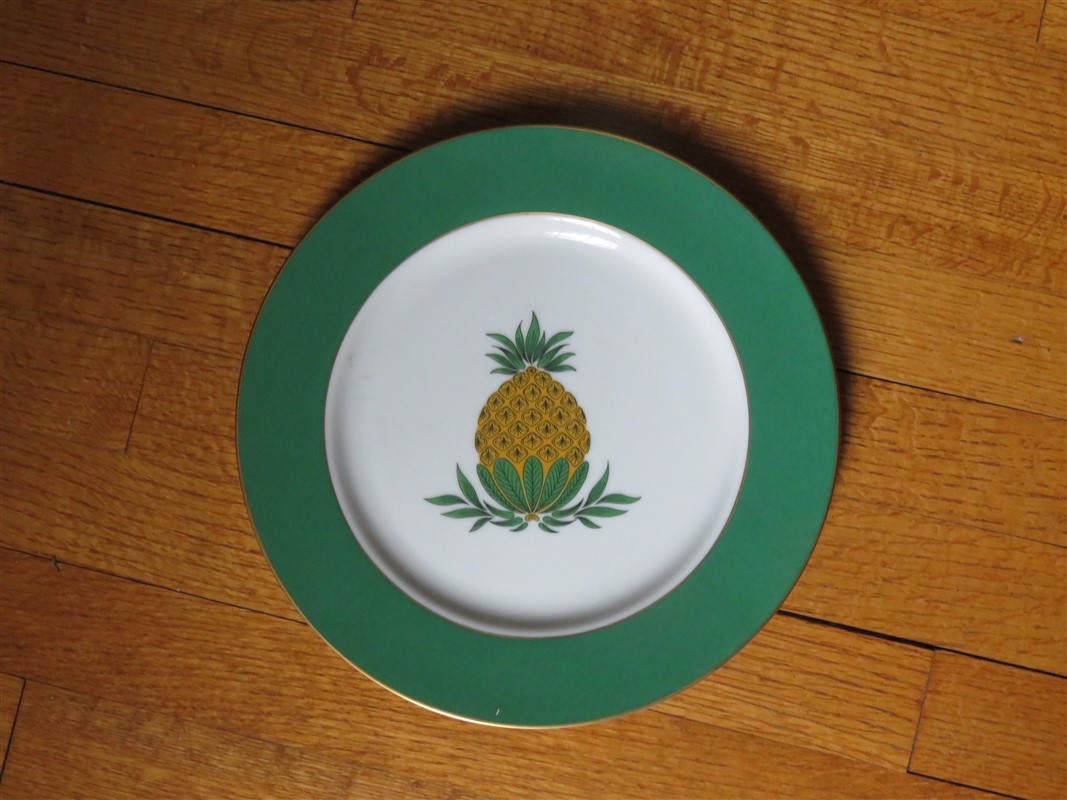
About Woodmere China
Woodmere China! That’s a lovely brand of fine china that has been around for many years. Here’s a brief overview: History: Woodmere China was founded in 1884 by the Johnson Brothers Company, a well-established ceramics manufacturer in the United States. The company produced a wide range of ceramics, including tableware, decorative pieces, and figurines. Characteristics: […]

Vintage Diner Mugs & Restaurant Ware Cups: A Collector’s Guide
If you’ve ever wrapped your hands around a thick, heavy coffee mug at a classic American diner, you already know the appeal of vintage diner mugs and restaurant ware cups. Built for constant use and designed to last decades, these pieces of commercial dinnerware have become some of the most popular collectibles in the vintage […]
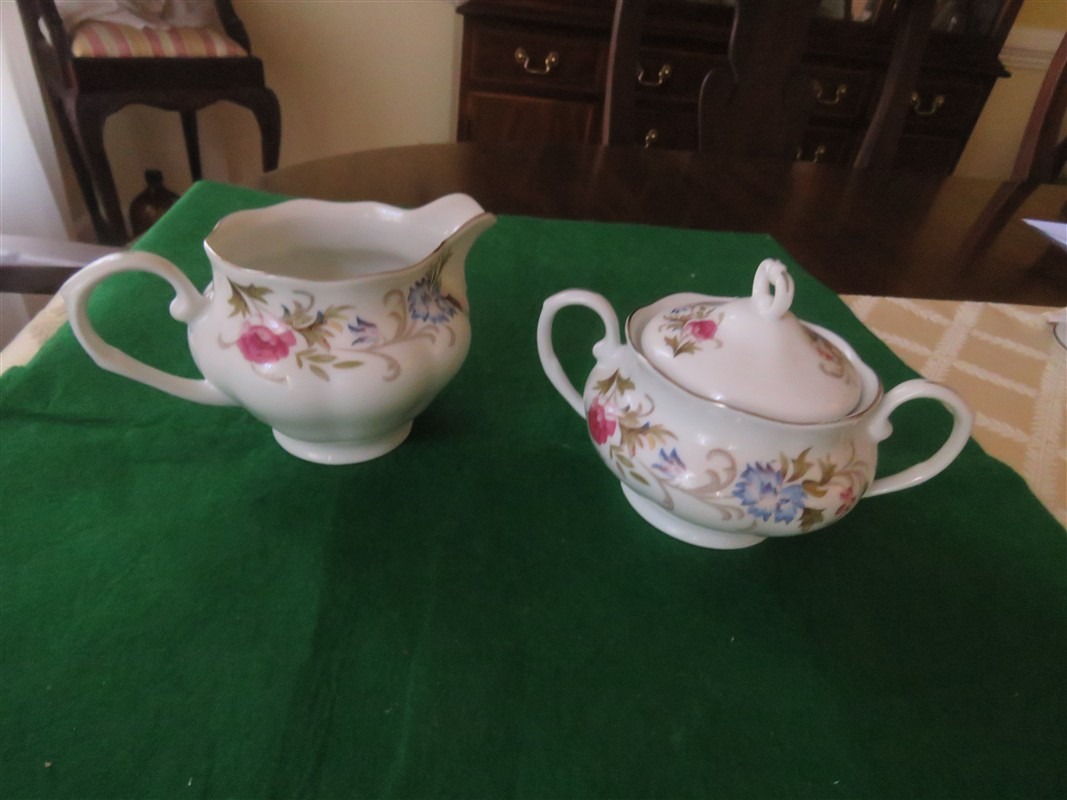
Third Vintage Dinnerware
Step inside Third Vintage, where every shelf tells a story and every piece carries a whisper of the past. Our vintage shop is more than just a place to buy dinnerware—it’s a carefully curated museum of timeless design, craftsmanship, and memories waiting to become part of your home. Whether you’re a seasoned collector or simply […]