
Johnson Brothers Dinnerware: English Heritage, Distinctive Patterns, and Collectible Tableware
For generations, Johnson Brothers has been a familiar and respected name in English dinnerware. Known for its distinctive patterns, traditional pottery craftsmanship, and remarkable variety of designs, the company produced tableware that found its way into homes throughout Britain and North America.
Today, Johnson Brothers dinnerware continues to attract collectors, vintage tableware enthusiasts, and people searching for replacement pieces to complete treasured collections. Its long history and extensive selection of patterns make the company an important name in the world of collectible dinnerware.
The History of Johnson Brothers
Johnson Brothers began its history in 1883 in Hanley, Stoke-on-Trent, England, an area internationally recognized for its pottery industry. Brothers Alfred and Frederick Johnson established the business, with their brothers Henry and Robert subsequently joining the enterprise.
The company initially concentrated on producing durable earthenware, including its well-known White Granite ware. Its early success helped establish the business, and Johnson Brothers gradually expanded its production to include a much wider range of decorated tableware.
The company became particularly recognized for its underglaze transfer-printed designs. This decorative process allowed detailed illustrations to be reproduced on plates, bowls, cups, and other ceramic pieces. It helped Johnson Brothers produce attractive dinnerware in a variety of patterns while maintaining consistency across large quantities.
As the business expanded, Johnson Brothers became one of the most successful Staffordshire pottery manufacturers and an important exporter to the American market. Its products appealed to American households looking for attractive, durable English tableware.
In 1968, Johnson Brothers became part of the Wedgwood Group. Manufacturing continued under the Johnson Brothers name for many years, although production eventually moved away from England. British production ended in 2003, and the brand was ultimately discontinued following the 2015 acquisition of the Wedgwood Group by Fiskars.
Although the company is no longer producing dinnerware, its older patterns remain available through vintage shops, antique dealers, and the replacement-dinnerware market.
The Art and Appeal of Johnson Brothers Dinnerware
One of the most interesting aspects of Johnson Brothers is the remarkable variety of designs produced throughout its history.
The company did not limit itself to one decorative style. Its patterns reflected changing tastes, artistic influences, and the interests of the generations who purchased its dinnerware.
Transferware and Traditional English Designs
Transferware became one of the decorative techniques closely associated with Johnson Brothers.
The process involves transferring an engraved design onto ceramic ware, allowing detailed illustrations to be reproduced across multiple pieces. Blue-and-white transferware became especially popular, although Johnson Brothers produced designs in brown, pink, red, green, and other colors.
Many of these patterns featured picturesque landscapes, historic buildings, gardens, and traditional English scenes. Their detailed illustrations give the pieces a distinctive character that continues to appeal to collectors.
A Wide Variety of Patterns
Johnson Brothers produced an extensive range of patterns over the decades. Some reflected traditional English decorative influences, while others incorporated American historical themes and more contemporary designs.
Several patterns have become particularly recognizable:
- The Friendly Village: Introduced in 1953, this popular pattern features charming illustrations of village life and countryside scenes.
- Old Britain Castles: A collection of architectural scenes featuring historic British castles and landmarks.
- Historic America: A series of designs celebrating American historical subjects and locations.
- Blue Willow: Johnson Brothers produced versions of the familiar traditional blue-and-white Willow design.
- Eternal Beau: Introduced in the early 1980s, this distinctive floral pattern became one of the company’s best-known later designs.
- Coaching Scenes: A decorative series featuring traditional horse-drawn coaches and countryside settings.
These patterns demonstrate the company’s ability to produce dinnerware appealing to different tastes and generations.
Changes in Style Through the Years
Johnson Brothers’ designs provide an interesting picture of how dinnerware preferences changed over time.
Early patterns often reflected Victorian and traditional English tastes, with elaborate decorations, intricate illustrations, and rich colors. During the early twentieth century, scenic transferware and traditional floral patterns remained popular.
By the middle of the century, consumers were increasingly attracted to familiar country scenes, historical subjects, and designs that brought a sense of nostalgia to the dinner table.
Later collections introduced simpler floral arrangements, lighter decorative treatments, and more contemporary styling. Patterns such as Eternal Beau demonstrate how Johnson Brothers adapted its designs to changing household preferences while retaining a recognizable identity.
This variety is one reason collectors can find Johnson Brothers dinnerware from different periods that look remarkably different from one another.
More Than Dinner Plates
Johnson Brothers produced far more than everyday dinner plates.
Depending on the pattern and production period, collectors may encounter:
- Dinner plates and salad plates
- Bread and butter plates
- Cups and saucers
- Serving bowls
- Platters and serving dishes
- Creamers and sugar bowls
- Teapots and specialty pieces
Some patterns included extensive serving collections, while others had a more limited selection of shapes and accessories.
Finding a complete set is not always easy, particularly with discontinued patterns. Many collectors purchase individual pieces to replace damaged items or gradually expand an existing collection.
Collecting and Replacing Johnson Brothers Dinnerware
One of the challenges of collecting discontinued dinnerware is finding the exact piece needed to complete a setting.
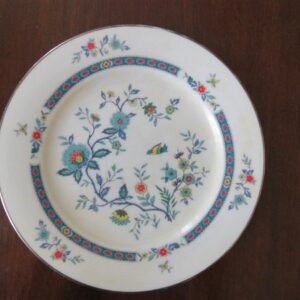
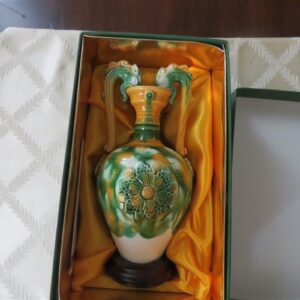
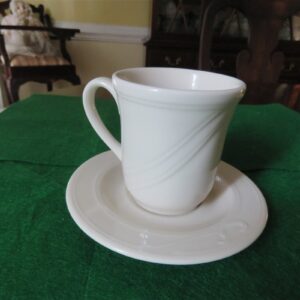
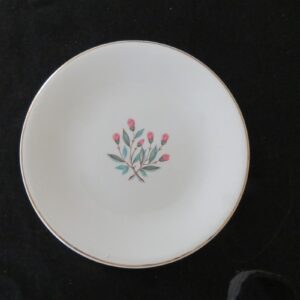
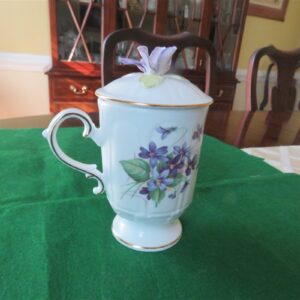
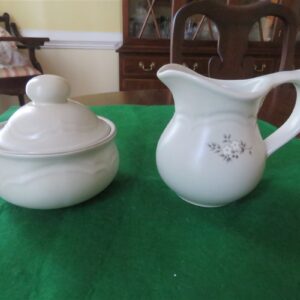
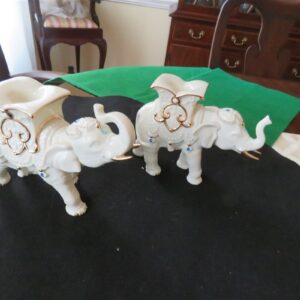
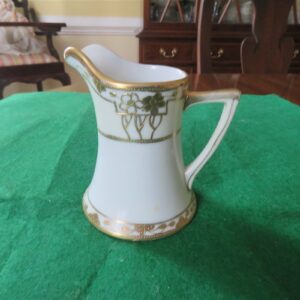

A dinner plate may be relatively easy to locate, while a particular serving bowl, platter, or less common accessory can take considerably longer to find.
Identifying the correct pattern is important. Backstamps, pattern names, piece dimensions, and manufacturing details can help distinguish one version from another. Production periods and backstamp variations are also worth considering when assembling a collection.
Condition is another important consideration. Vintage dinnerware may show signs of normal use, including minor utensil marks, glaze wear, or age-related imperfections. Collectors should examine descriptions and photographs carefully when purchasing individual pieces.
Discover Johnson Brothers at Third Vintage Shop
Third Vintage Shop offers vintage and collectible dinnerware, including pieces from traditional English manufacturers such as Johnson Brothers. Our inventory changes as new merchandise becomes available, so collectors are encouraged to explore our listings periodically.
Whether you are searching for a replacement piece or discovering a pattern for the first time, vintage dinnerware offers the opportunity to bring a little English pottery history into your home.
A Tradition Worth Collecting
Johnson Brothers dinnerware represents an important chapter in the history of English pottery. Its extensive range of patterns, decorative techniques, and long association with American households have given it a lasting place in the vintage tableware market.
For some collectors, it is about completing a cherished family pattern. For others, it is the pleasure of discovering an attractive design or finding a particularly interesting piece.
More than a century after its founding, Johnson Brothers remains a recognizable name among collectors of English dinnerware, and its patterns continue to find new admirers.